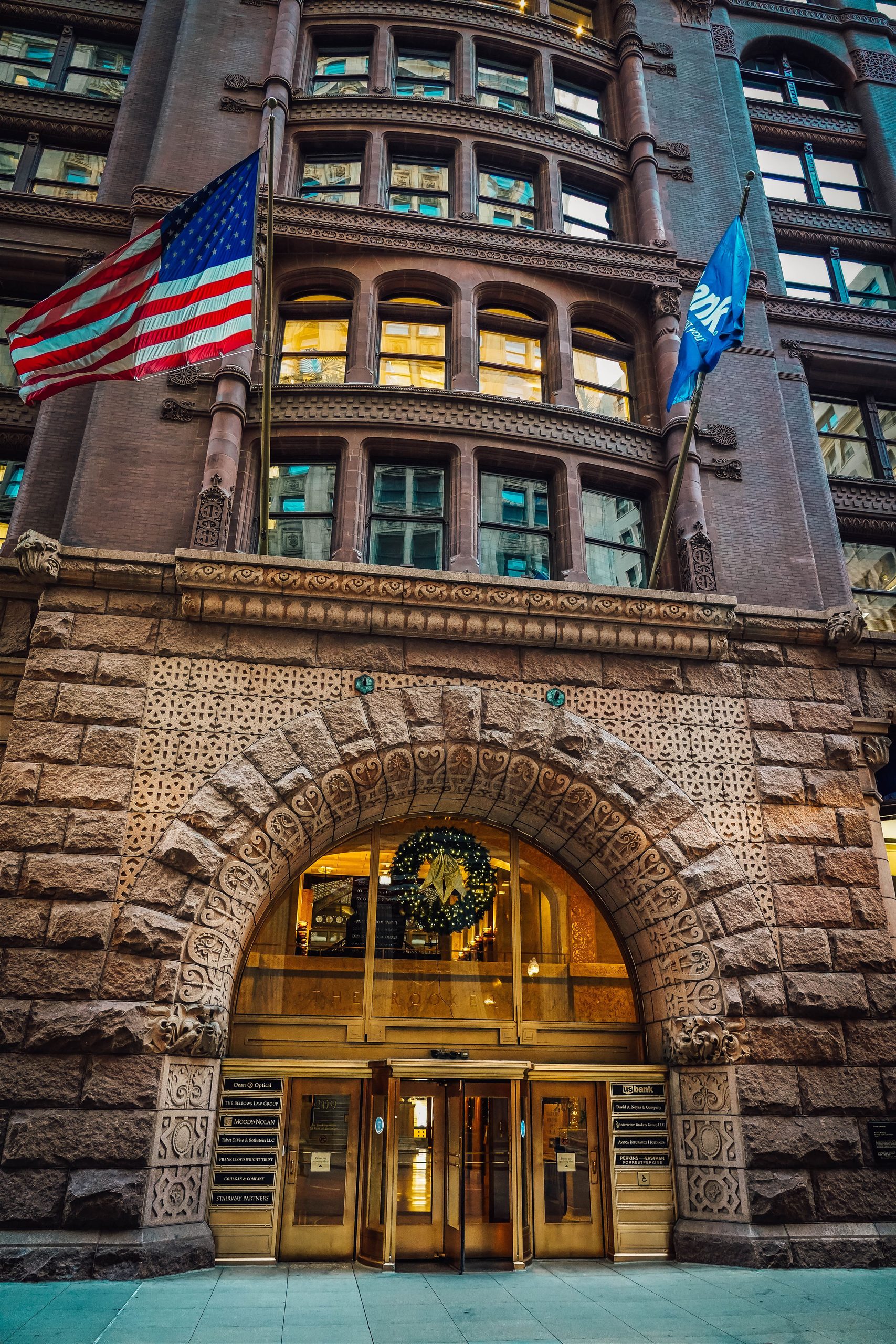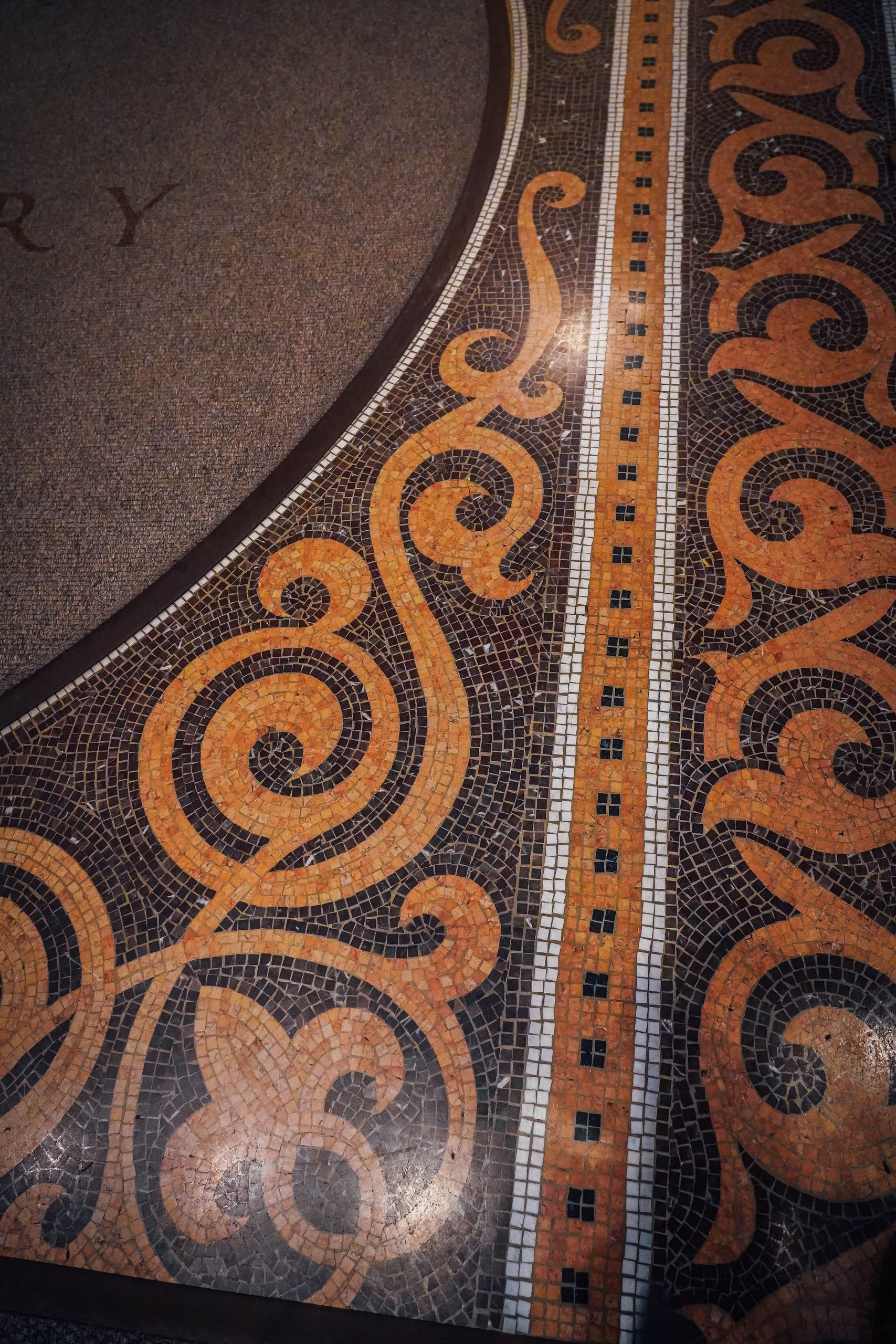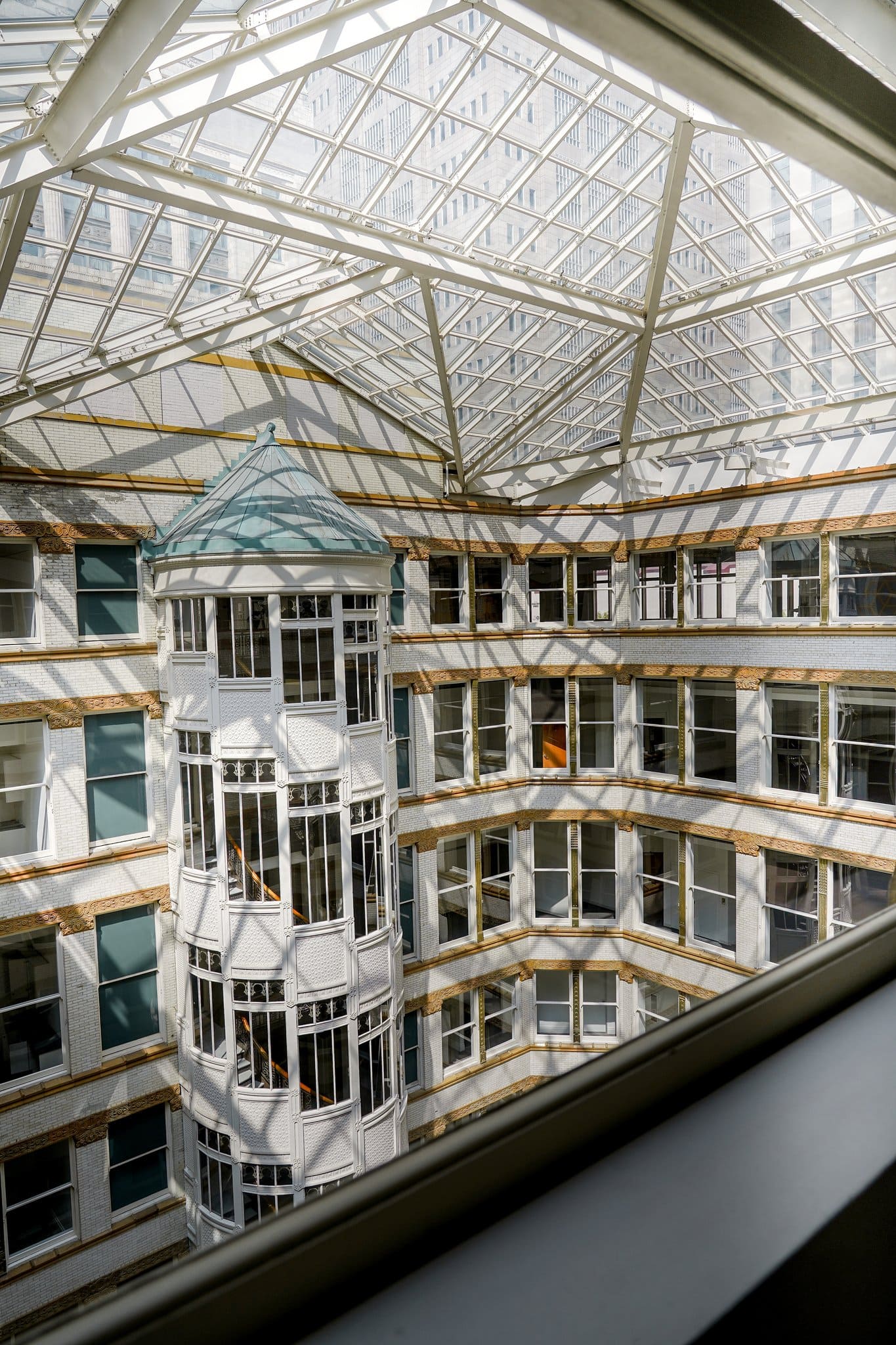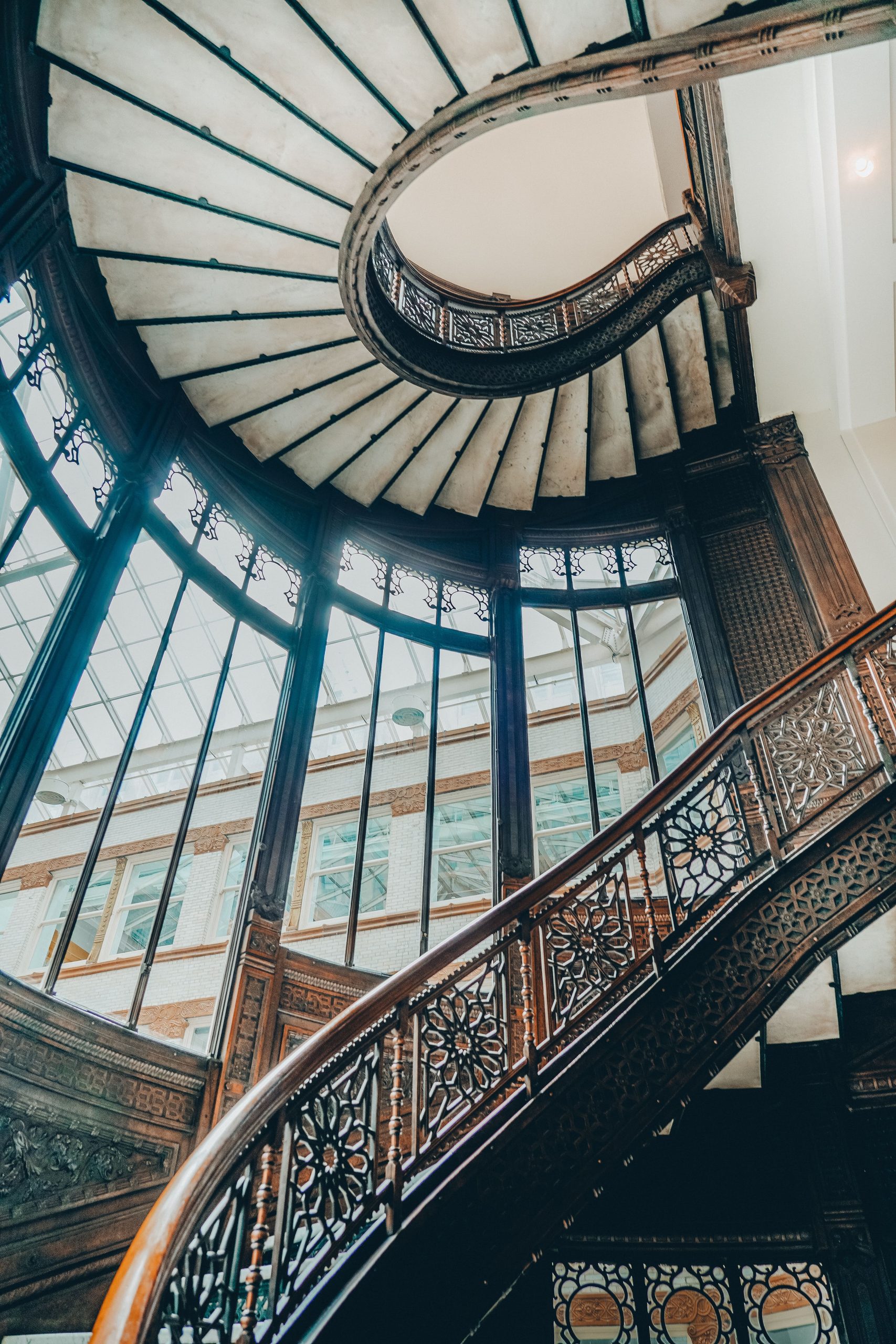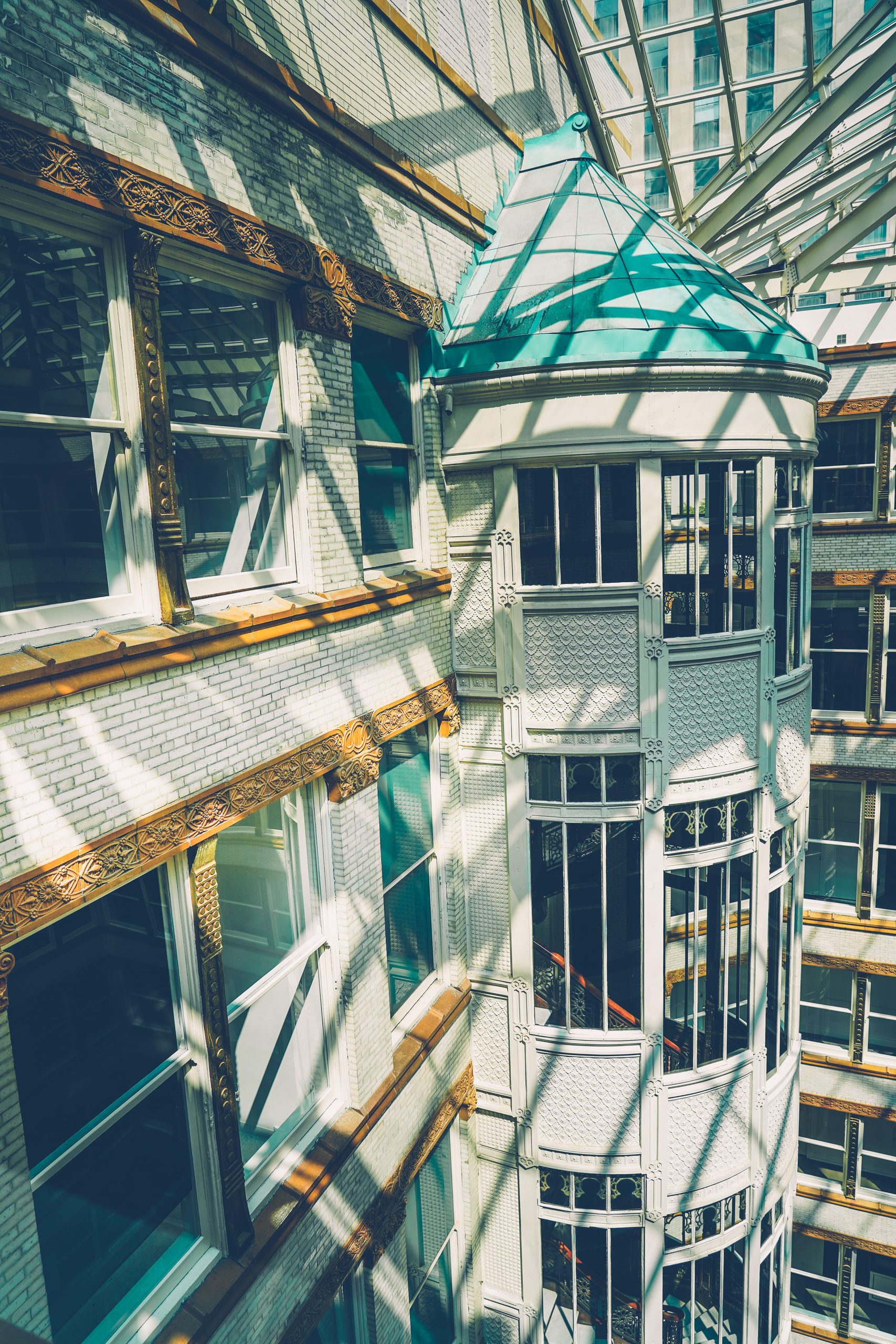
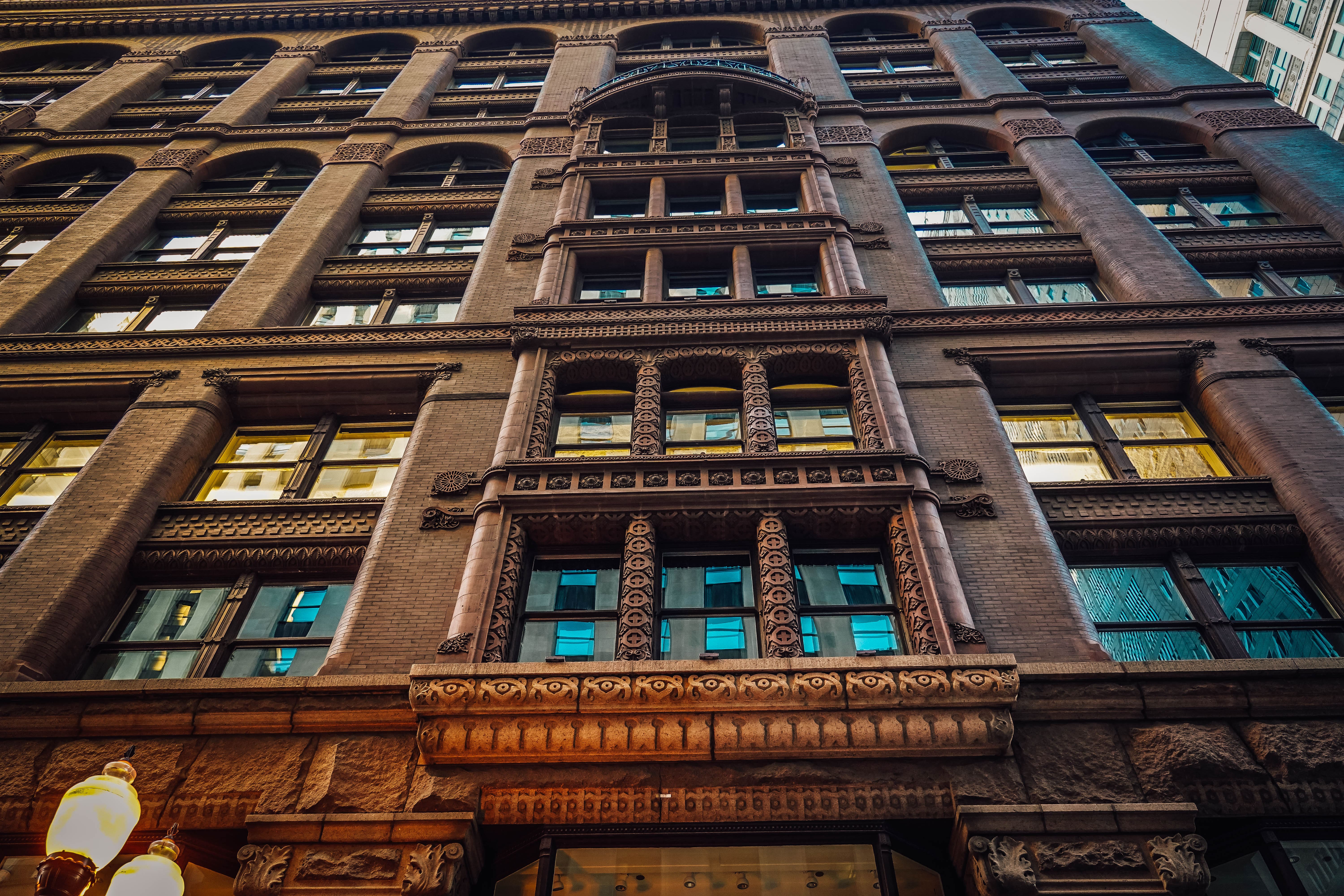
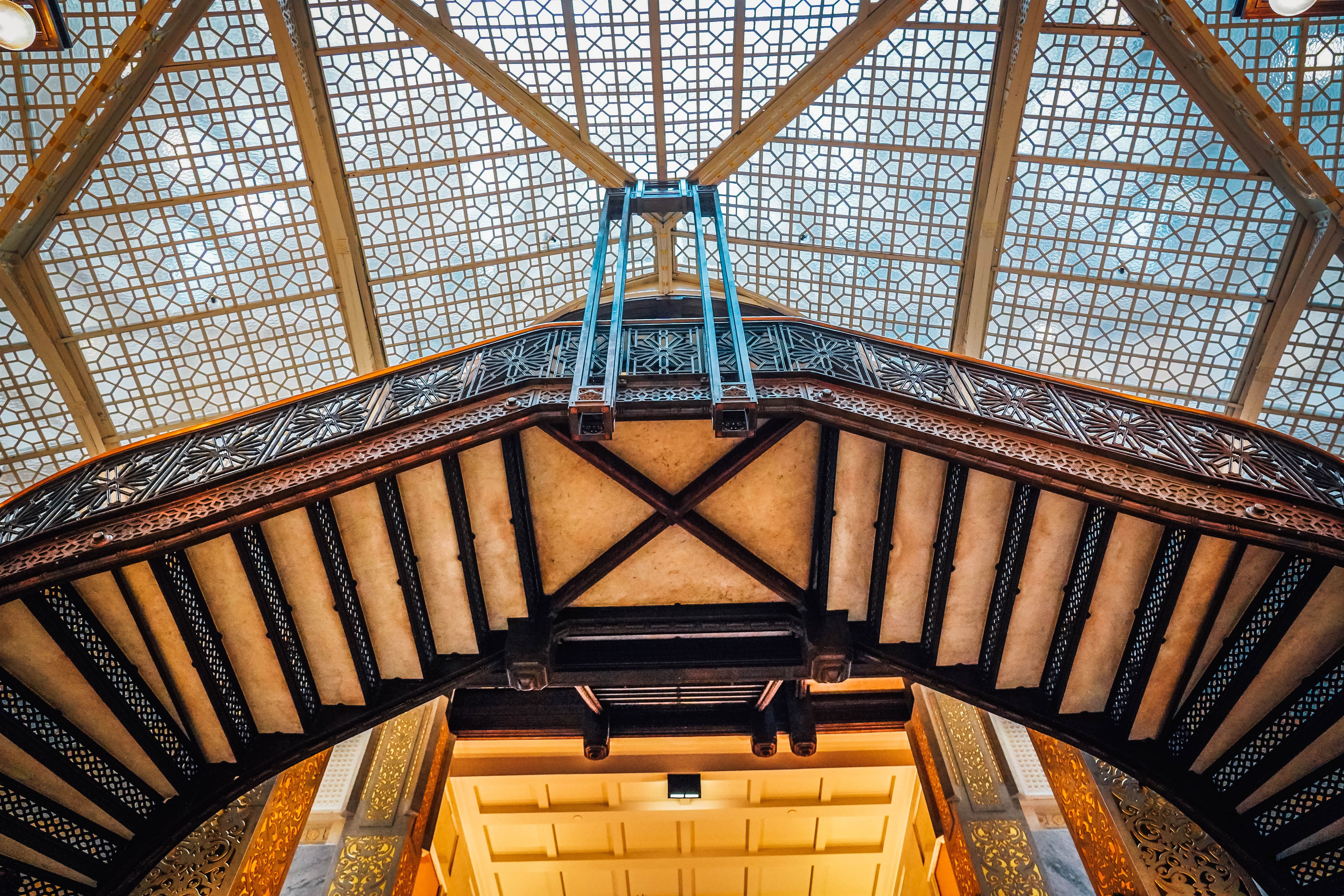
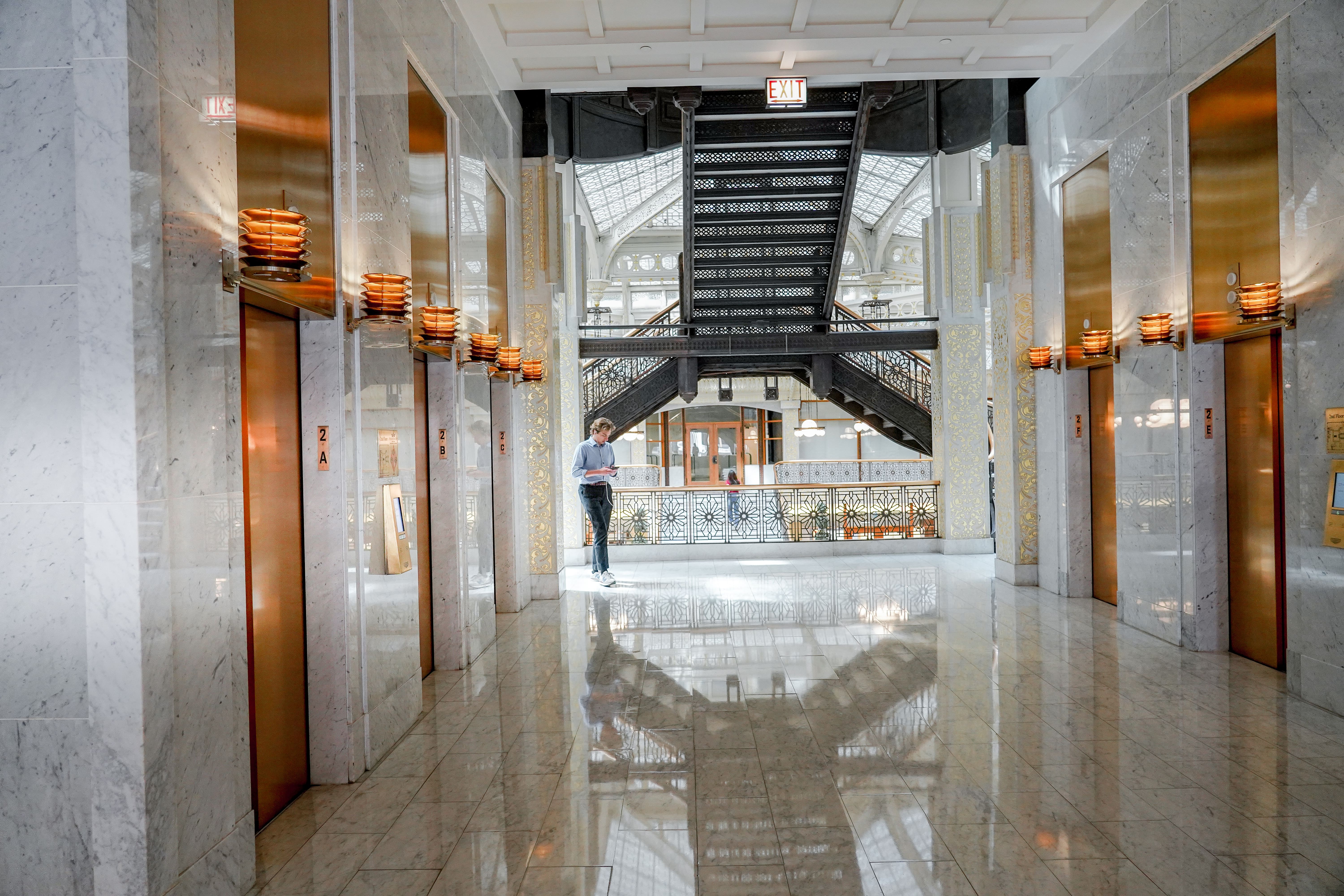
You can walk past The Rookery at 209 S. LaSalle a hundred times and think you know it. The magnificent red masonry. The carved stone. The grand entrance. And, of course, that jaw-dropping Light Court, a soaring confection of white marble, gold, glass and iron that makes even the most architecture-jaded Chicagoan stop and stare.
But we recently got to go deeper. Much deeper.
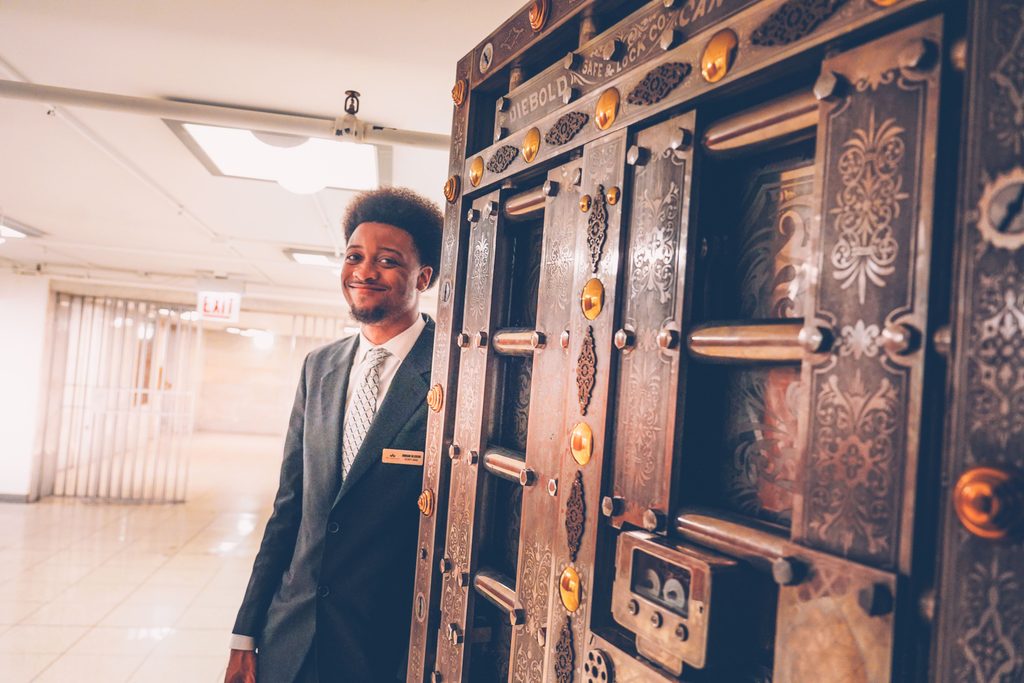
On a behind-the-scenes tour, we descended into The Rookery’s archival vault, where pieces of the building’s 138-year history are tucked away like architectural treasure: old fragments, materials, fixtures, remnants and artifacts from the many lives this building has lived.It’s basically Chicago architecture’s coolest junk drawer of treasures. And suddenly The Rookery stops feeling like an old building. It starts feeling like a living timeline of Chicago.
The Room Where Chicago Dreamed Big
Upstairs, we stepped inside the former offices of Daniel Burnham and John Wellborn Root, today known as the Burnham Library. And this isn’t just some handsome old room with historic bookshelves. This is one of the rooms where Chicago imagined the future.
Burnham & Root moved their architectural offices into The Rookery after it opened. And in these rooms, architects gathered to discuss preliminary plans for the 1893 World’s Columbian Exposition—the legendary World’s Fair that would introduce millions of visitors to an audacious new vision of Chicago.
Yes, you can stand in a room on LaSalle Street where people were sitting around tables figuring out how to create the White City.
The Building Itself Was A Big Idea
When Burnham & Root completed The Rookery in 1888, it wasn’t designed to be nostalgic. It was designed to be radically modern. At 11 stories, it was among the tallest buildings in the world. Its construction combined old-school load-bearing masonry with a new skeletal system of iron and steel, making it an important bridge between traditional buildings and the skyscrapers that would soon transform cities around the world.
Then there was a rather inconvenient Chicago problem – the city was built on mud. Building something this enormous on Chicago’s famously soft soil required Root to develop an innovative “floating foundation”which is a network of iron rails and structural beams encased in concrete to spread the building’s enormous weight.
The Rookery also embraced technologies that were still genuinely new: passenger elevators, fireproof construction and electric lighting. And because electric light wasn’t yet something you’d necessarily want to bet the office on, Burnham & Root did something remarkably contemporary: they became obsessed over natural light.
The building wraps around a central light well, allowing offices to receive daylight from either the street or the interior court. dApparently workplace strategy was already a thing in 1888.
Then Frank Lloyd Wright Got His Hands On It
As if Burnham & Root weren’t enough architectural firepower for one address, Frank Lloyd Wright entered the story in 1905.
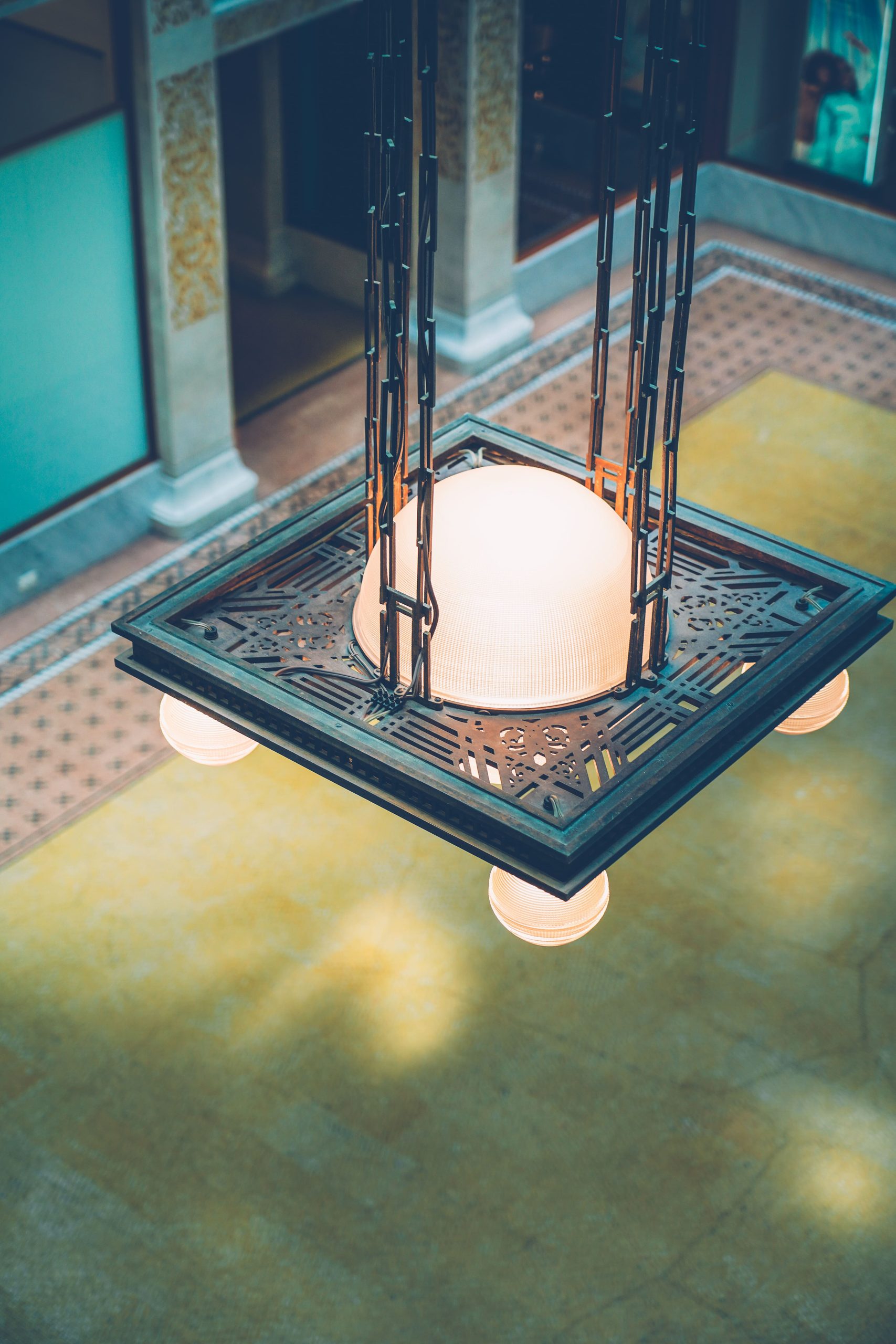
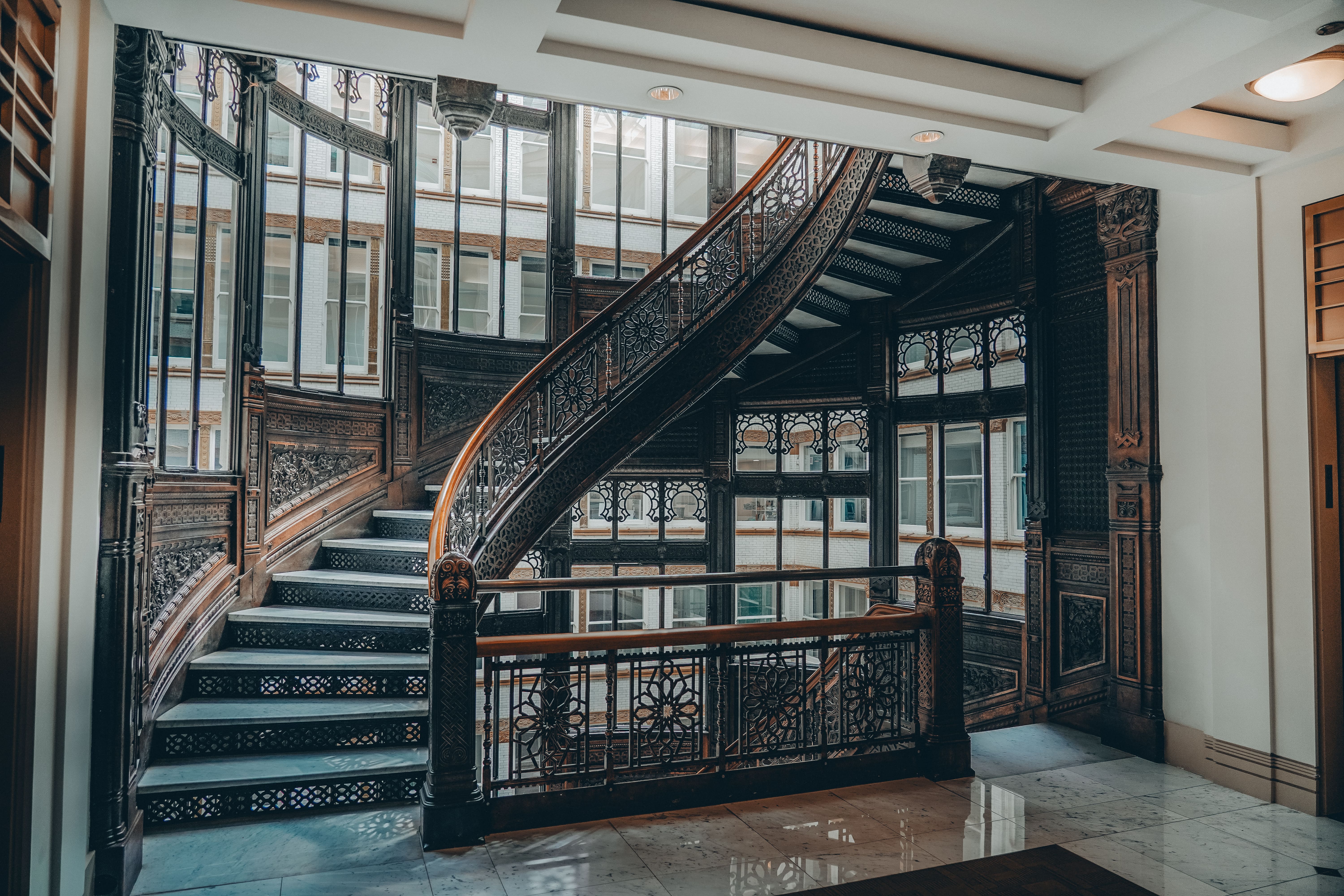
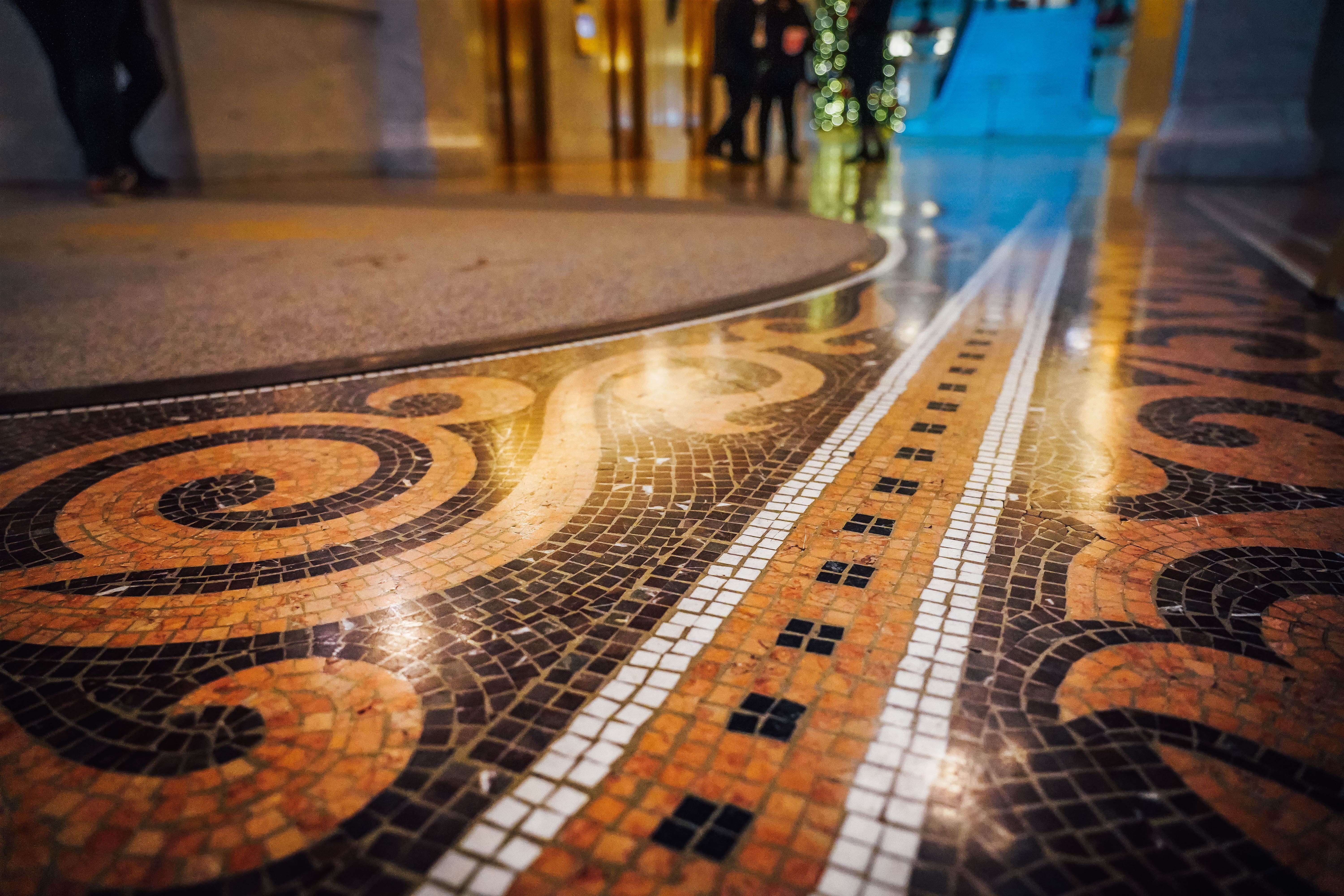
Wright had actually maintained an office in The Rookery for a short time himself. When he was later commissioned to modernize its public spaces, he transformed the Light Court with white Carrara marble, gilded ornament and geometric detailing. The result is extraordinary because Wright didn’t erase what came before him. He layered onto it.
Here’s The Part We Really Love
After touring the vault, standing in Burnham’s former library and staring upward through the Light Court, you eventually remember something easy to forget:
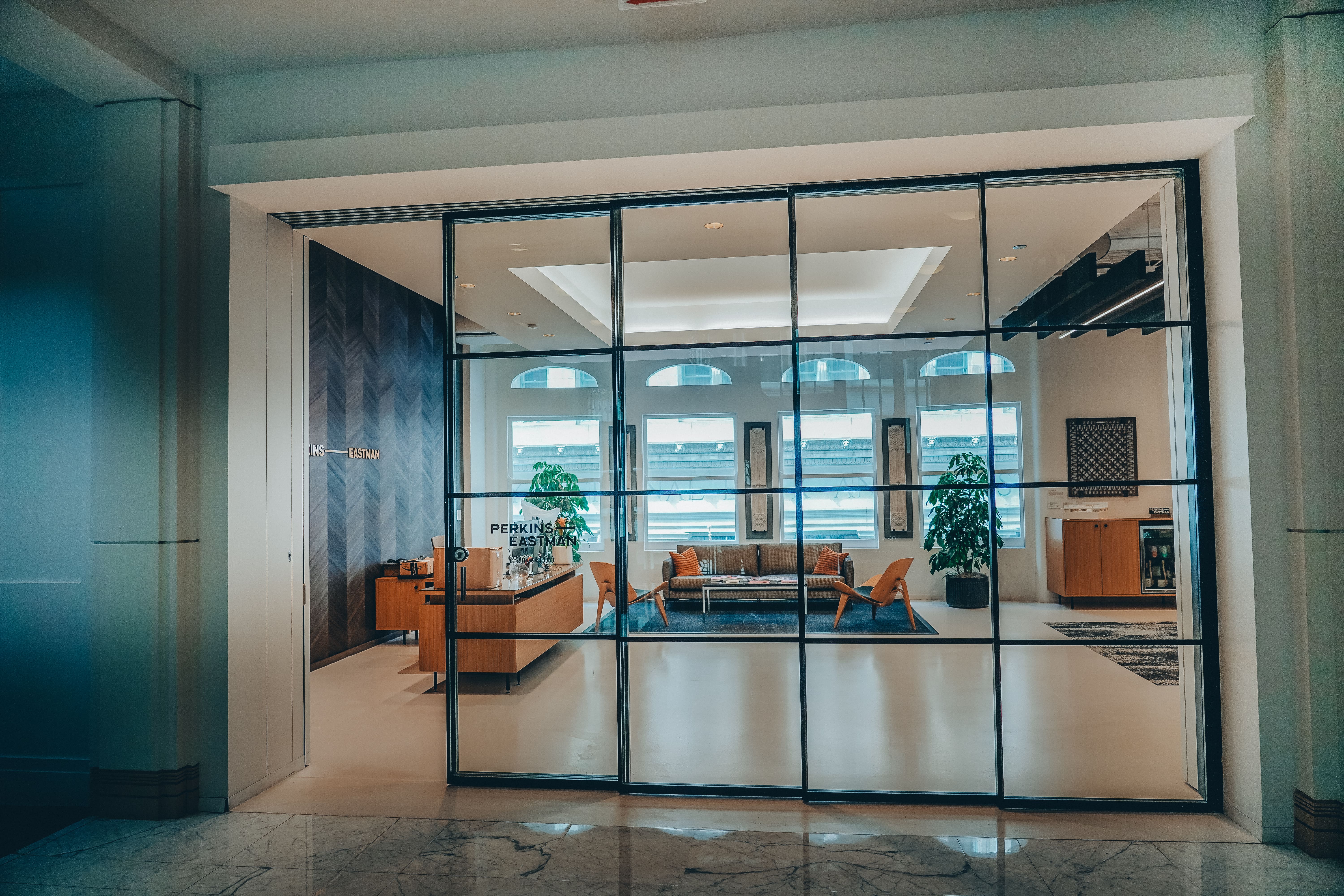
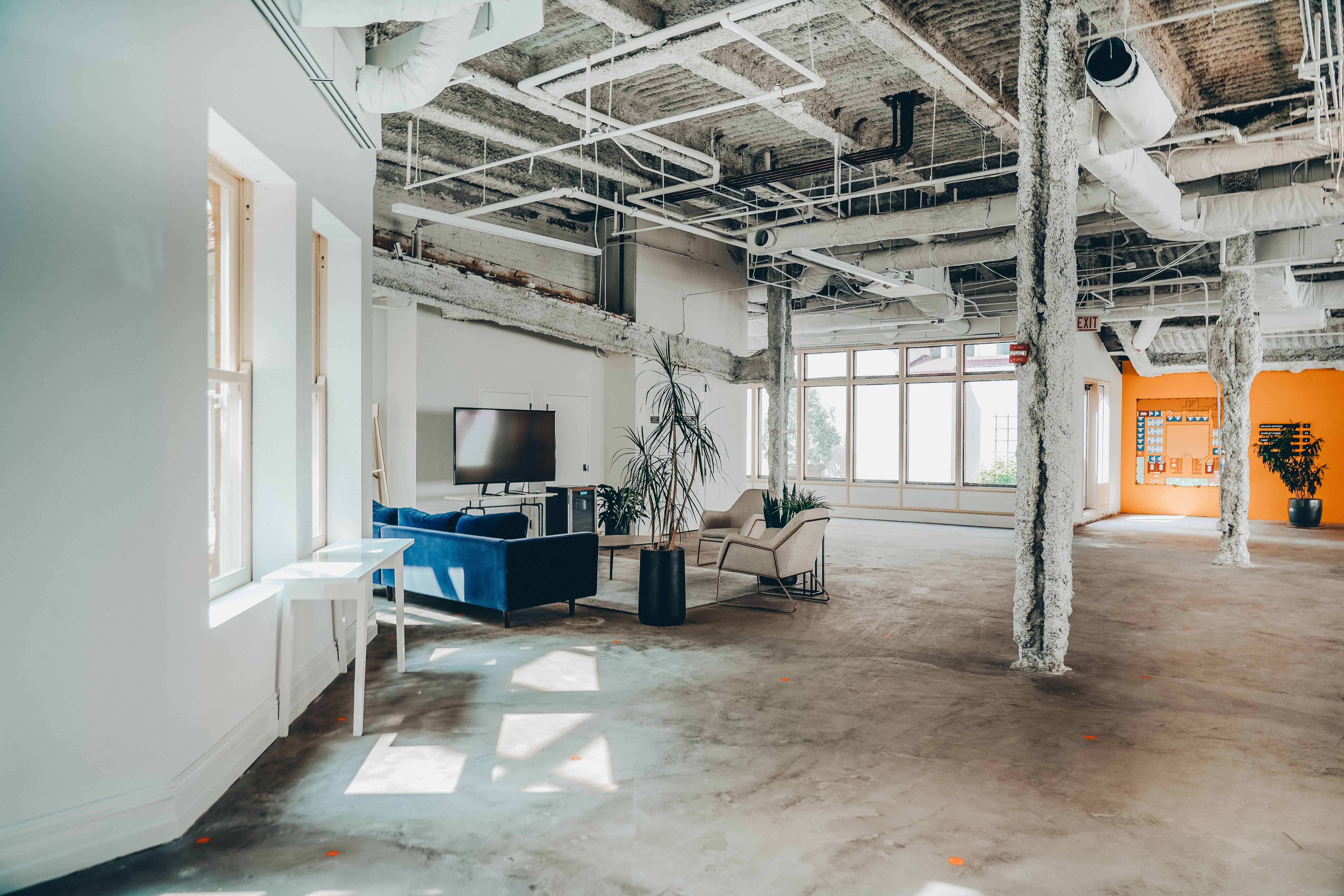
People still come to work here every morning. The Rookery isn’t a museum. It’s an active office building. Behind the 1888 walls are contemporary workplaces with modern technology, high ceilings, oversized windows and spaces ranging from traditional professional offices to loft-like creative environments. Which makes The Rookery remarkably relevant to the conversation happening around LaSalle Street today.
We’re talking constantly about what the office of the future should be. More character. More natural light. Better gathering spaces. More connection. More experience. More reasons to actually WANT to come downtown.
And sitting right here on LaSalle is a building that’s been working on those ideas for 138 years.
Maybe The Future Of The Office Isn’t Always New
That’s what stayed with us after the tour. Chicago is currently rethinking downtown at an extraordinary scale. Some old office buildings are becoming apartments. Others are becoming hotels, restaurants, retail and entirely new combinations of uses.
But The Rookery offers another possibility. Sometimes an extraordinary old office building can simply become an extraordinary modern office building. History doesn’t have to compete with what’s next. Sometimes history is precisely what makes what’s next interesting.
And that’s The Rookery. A building where Burnham worked and where architects helped imagine the World’s Columbian Exposition. It’s where Root experimented with how tall buildings could stand and where Wright reinvented an interior without destroying its soul.
And where, tomorrow morning, somebody will swipe into work carrying a laptop and a cup of coffee.
1888, meet 2026. Turns out you two have a lot to talk about. Meet Me at The Rookery.